Is the world going to fall apart, or am I supposed to stop drinking my tea? So says the protagonist of Dostoevsky’s *Notes from the Underground*, who rebels against anything that might restrict his freedom—and is left alone with it. This scene opens a sermon on the dispute in the Corinthian church, where some ate meat from pagan temples without a twinge of conscience, while to others it still smacked of the old cult (1 Cor. 8–10). Paul agrees with the “strong,” but asks a more important question: what does my freedom do to my fellow human beings, and where does it lead when I do not know its limits? Listen, if you want to check whether your “tea” has become more important than the people for whom Christ died.
Freedom That Does Not Enslave
Church: Real or Ideal?
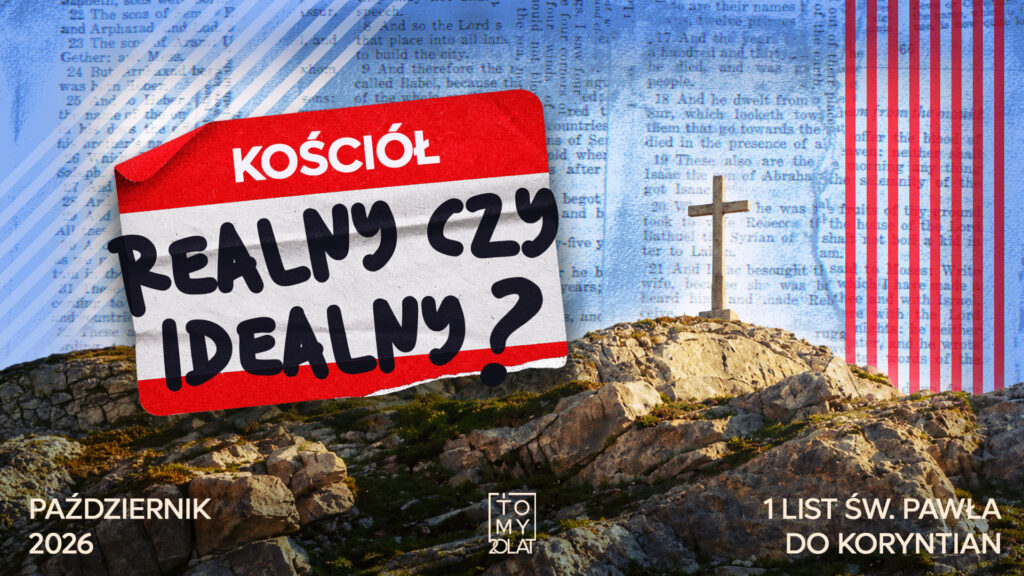
Many people make no secret of their disappointment with the Church and wonder why they should bother with it at all. Others keep moving from one community to another in search of the perfect one, yet none matches their picture of the ideal, because everywhere there are very imperfect people. Perhaps, though, by looking only at what we can see, we miss part of the picture. The Church is God’s idea. It is a place where we can learn to live together and to love people who can be difficult. In his First Letter to the Corinthians, the apostle Paul helps us see the Church from a wider perspective and find our place in the tension between the real and the ideal.
View the whole series
3 sermons