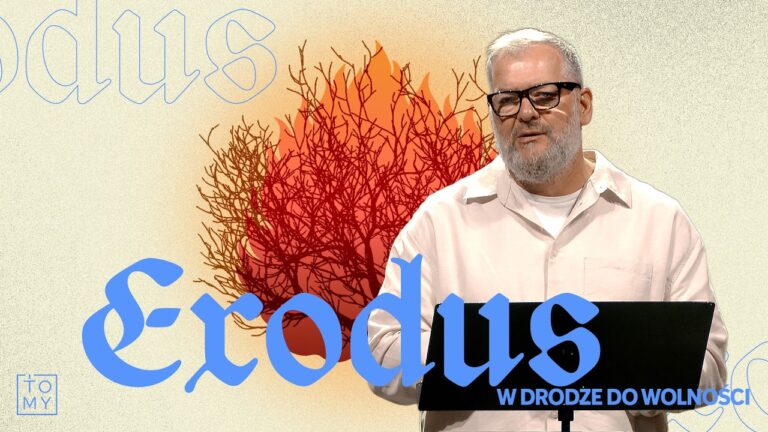
Can someone please tidy up in here? We say it over a messy kitchen, but also as we look at a world where the wrong people seem to be dealing the cards. This sermon reads the ten plagues of Egypt (Exodus 7-12) as a drama in three acts with a closing scene, in which God answers the question of who he really is. Divine judgement turns out to have two sides: an end to evil, and freedom for those who trusted him. Listen if you are waiting for someone to finally say: enough.
Discussion questions
For your small group or for personal reflection after the sermon.
- The sermon presents the plagues as a play in three acts: God shows that He is the Lord, that He is present and protects His people, and that no one can compare with Him. What might each of these acts have said to the Israelites after 430 years of slavery?
- Why might striking the Nile, and later the darkness, have been a challenge to the gods of Egypt and to Pharaoh himself, who was regarded as a god?
- The speaker describes the plagues as creation in reverse, where a world of evil falls apart before people's eyes. What does this picture tell you about God's judgment, and why do many of us feel uncomfortable with it?
- God's judgment was compared to a coin with two sides: punishment for evil and deliverance for those who trust Him. How does this change the way you see the injustice you hear about in the world?
- The Israelites were saved by the blood of the Passover lamb, and we are saved by Jesus, God's firstborn Son. What slavery, habit, or addiction is Jesus setting you free from today?
- The story of the father in the camp who used the last margarine to light a lamp shows that no one can live without hope. How can you practically remember this week what God has done for you while waiting for Jesus to return?