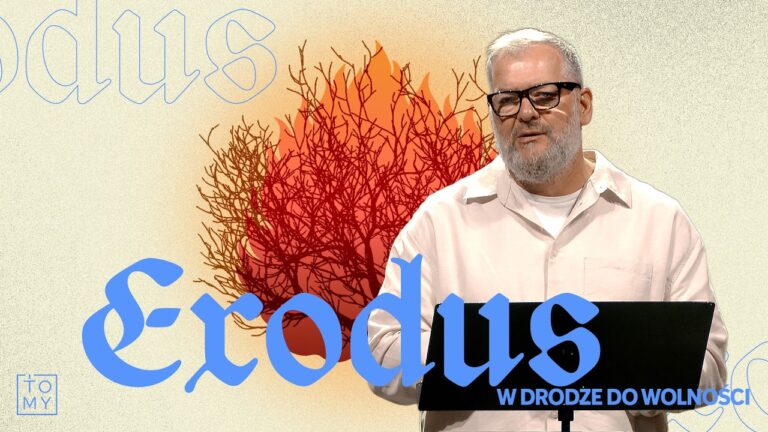
A crowd at the airport gate in Kabul, children handed to soldiers over a wall, and days later an explosion, these are the images that open this sermon about a world full of evil that goes unpunished. From there the road leads to Egypt and to nine plagues arranged in a deliberate, carefully built rhythm (Exodus 7-11), showing a God greater than Pharaoh, his magicians and every deity people put their hope in. There is no easy answer here about the final plague, but rather an honest reckoning with the human hunger for justice. Listen if you too sometimes ask God to finally set things right.
Discussion questions
For your small group or for personal reflection after the sermon.
- In Exodus 7:1-12:34 the first plague strikes the Nile and the ninth strikes Ra, the sun god. What did these plagues tell the Israelites and the Egyptians about the God of Israel compared with Pharaoh and the gods of Egypt?
- When the gnats come, Egypt's magicians say, "This is the finger of God." What in this story shows that God is stronger than everything people put their hope in?
- Pharaoh gives in while a plague hits him and takes back his word as soon as it stops, like putting off a trip to the dentist. Where do you notice a similar pattern in your own relationship with God?
- The speaker admits he has no good explanation for the death of Egypt's firstborn, yet he also speaks of our deep longing for justice. How do you hold together a God who judges and a God who forgives?
- The lamb's blood on the doorframes protected the Israelites, and the speaker points to Jesus as the Lamb slain for our sins. How does the fact that God punished His own Son instead of us change the way you see the evil in the world?
- The speaker mentioned the victims of the Kabul bombing, refugees at the border, and imprisoned journalists. How can you live this week with hope that God is greater than evil, waiting for His return without sinking into helplessness?