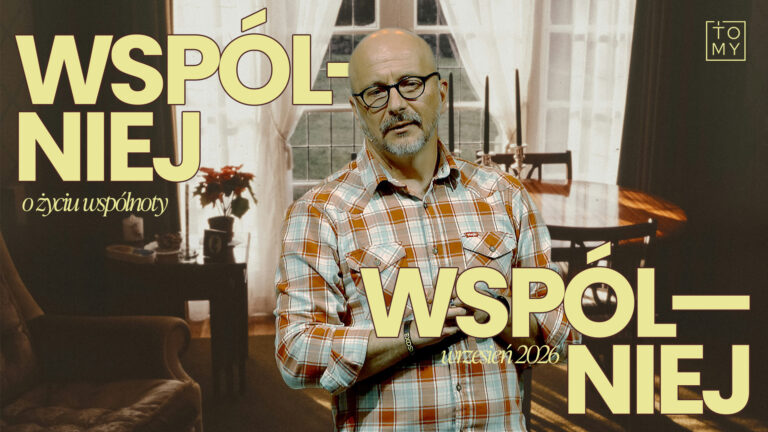
After his divorce, a California musician began confiding in a chatbot, and studies show that as many as 30% of American teenagers prefer talking to artificial intelligence rather than a real friend. These stories serve as an introduction to the sermon about the first Christian community, which devoted itself to the apostles’ teaching, broke bread in their homes, and shared everything (Acts 2:42-47). Such a community is not a well-oiled organizational concept, but the fruit of the Holy Spirit’s work, and an algorithm will never give you a share in the same Spirit that dwells in another person. Listen, if you want to find out whether your relationships are truly deep or merely convenient.
Discussion questions
For your small group or for personal reflection after the sermon.
- In Acts 2, Peter's listeners ask, "What shall we do?" How does Peter's answer reflect the three stages described in the sermon: the gospel, repentance and baptism?
- How did the practices of the early church in Acts 2:42-47 (the apostles' teaching, fellowship, breaking of bread, prayer) differ from the way these people had lived before?
- The sermon talks about "loneliness in a crowd" and about chatbots that always agree with us. What do you think we lose when we avoid difficult conversations with real people?
- How does the idea that Christian community is the work of the Holy Spirit, not a human program or our own idea of who should belong, change the way you see the church?
- Emperor Julian complained that Christians supported not only their own poor but pagans too. How can our relationships within the community shape the way we care for people outside it today?
- Which simple practice of the early church, such as sharing a meal around the table or praying together, do you want to start this week to live more in community with other believers?